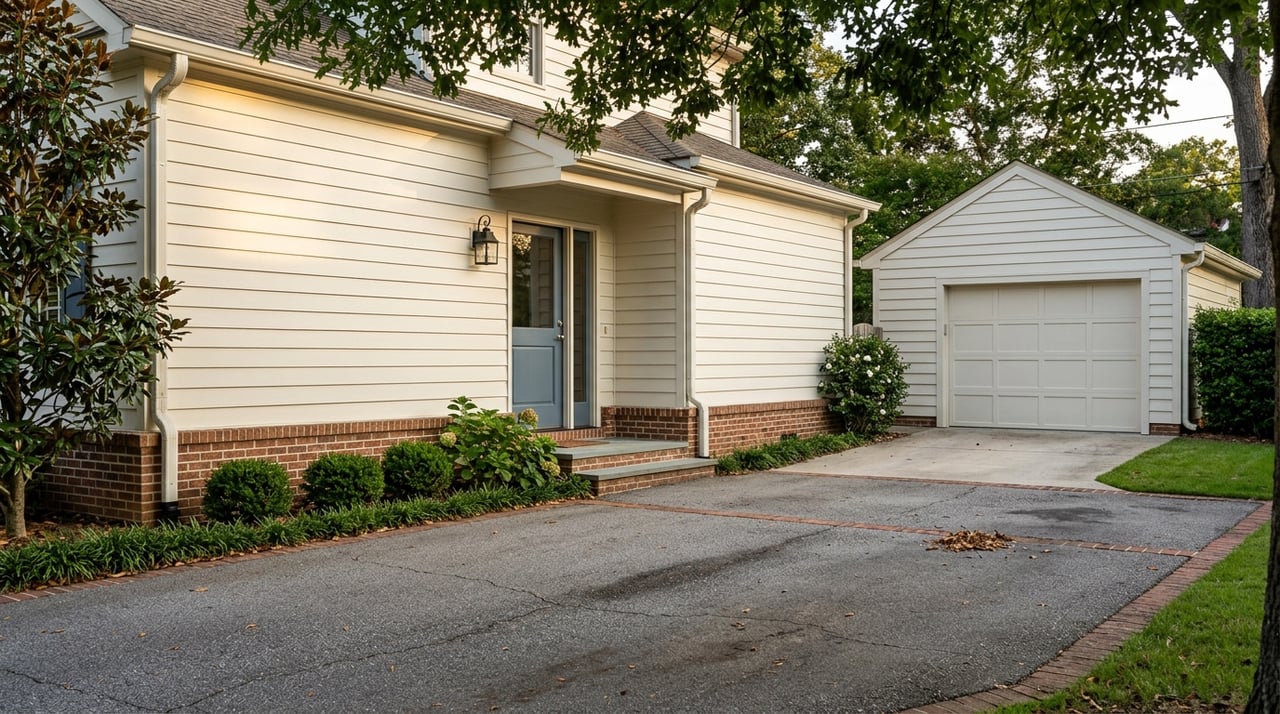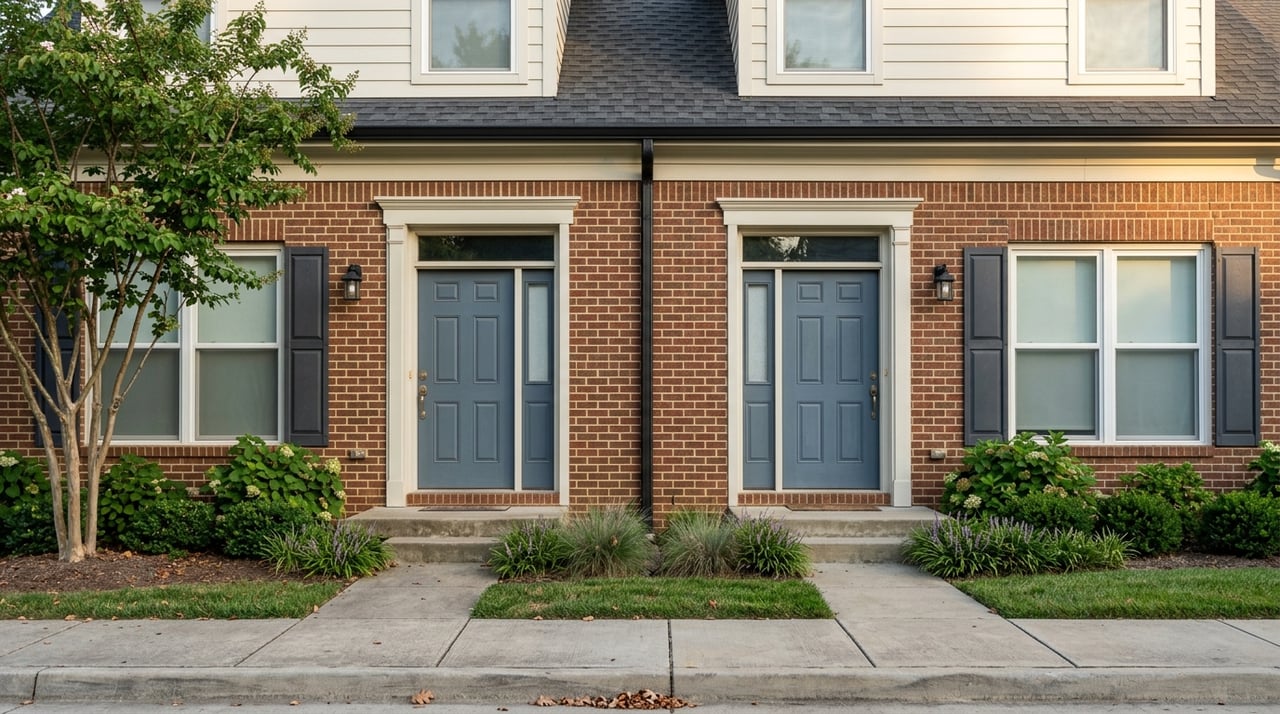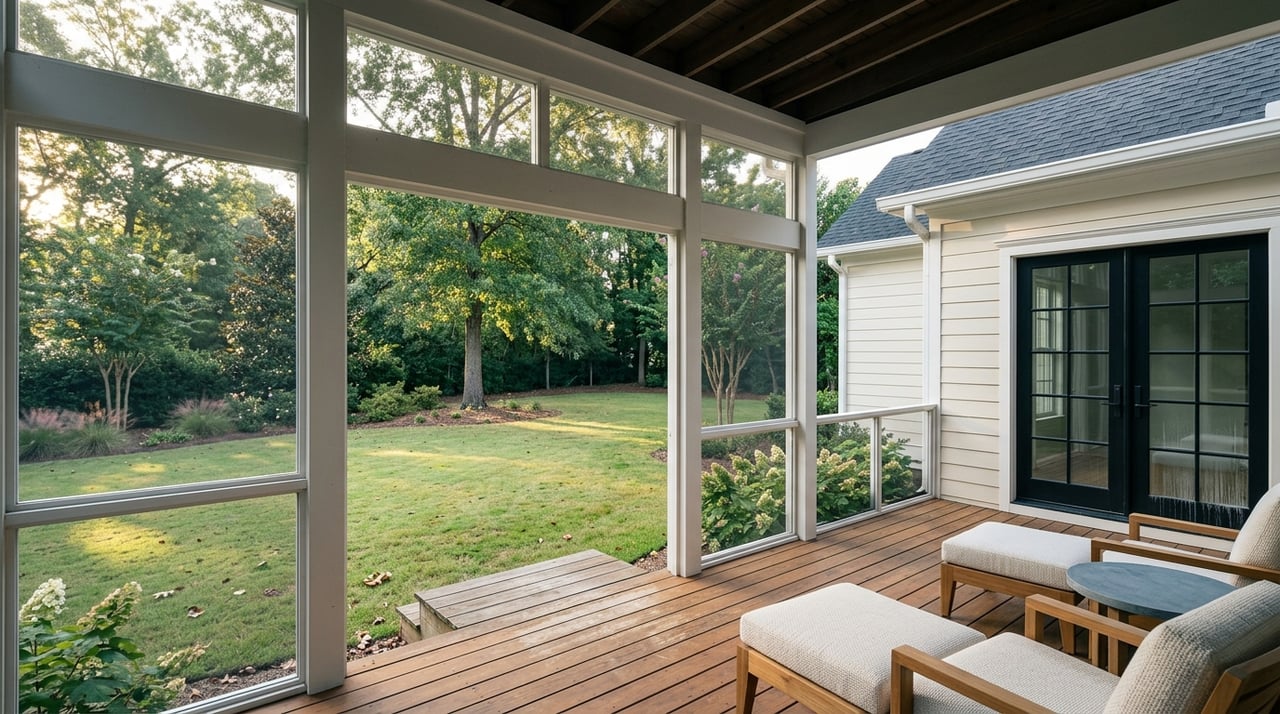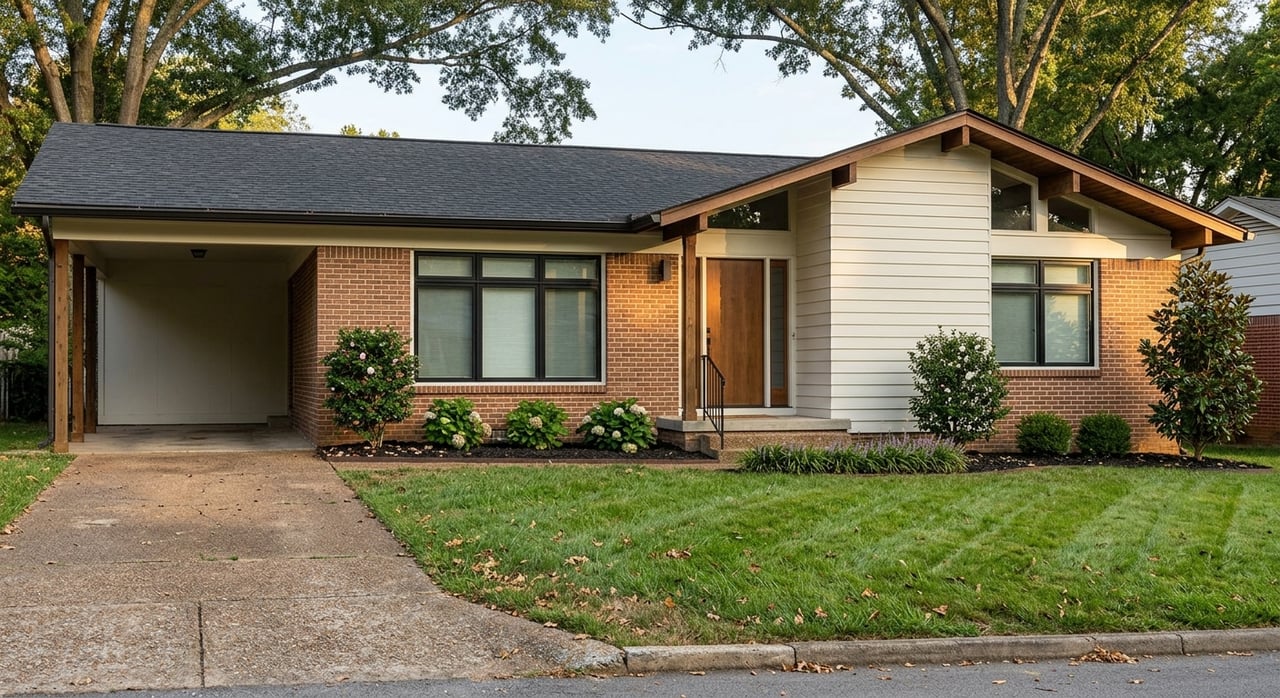
Wondering what kind of home you will actually find in Five Points? That is a fair question, because this part of Athens is not defined by one look or one era. A few blocks can take you from a historic cottage to a midcentury home to newer infill construction. If you want to understand what those differences can mean for layout, upkeep, and planning, you are in the right place. Let’s dive in.
Why Five Points Feels So Varied
Five Points is a traditional Athens neighborhood next to the University of Georgia, and its commonly used boundaries are community-based rather than legal. Friends of Five Points also notes that the area includes eight local historic districts: Bloomfield, Castalia, Dearing, Henderson, Milledge Circle, Rocksprings, West Cloverhurst/Springdale, and Woodlawn.
That district mix helps explain why the neighborhood feels so layered. In Five Points, you may see homes from very different eras on nearby streets, including historic houses, later noncontributing buildings, and newer replacement or infill projects.
Athens-Clarke County also requires a Certificate of Appropriateness for exterior changes to homes in local historic districts or on local landmarks. That means style is only part of the story. District status can shape what you can change on the outside and how long planning may take.
Historic Homes in Five Points
Many buyers first picture Five Points as a neighborhood of older cottages and classic in-town houses. That image fits part of the market, especially in districts such as Bloomfield, Dearing, Henderson, Woodlawn, Rocksprings, and the Milledge Avenue Historic District.
According to Athens-Clarke County, these areas include a wide range of styles. You may come across Victorian Eclectic, American Four-square, Bungalow, Craftsman, Tudor Revival, Neoclassical, Colonial Revival, Classical Revival, Greek Revival, Queen Anne, and even shotgun houses dating to 1925 in Rocksprings.
What older layouts often feel like
When you tour these homes, the biggest difference may not be curb appeal alone. Older homes often feel different in their room arrangement and circulation than newer construction. That is not a rule for every property, but it is a useful expectation when you compare an older cottage or larger historic home with a later build.
You may find more defined rooms, less open flow, and details tied closely to the home's original era. For some buyers, that character is the draw. For others, it means thinking carefully about how the home fits daily life before you make an offer.
What to watch for in older homes
With older housing stock, maintenance and update planning matter. Many homes built before 1978 are more likely to contain lead-based paint, and the EPA says this is especially common in homes built before 1940.
If you are considering repainting or renovating, lead-safe practices should be part of your plan when old paint may be disturbed. That is one reason older homes in Five Points can require a little more upfront investigation, even when they have already been lovingly maintained.
Midcentury and Transitional Homes
Five Points is not only about early 1900s architecture. Midcentury and transitional homes also appear in areas such as West Rutherford, Castalia, and Milledge Circle.
Athens-Clarke County describes West Rutherford as reflecting development from the 1930s to the 1950s, with gable rooflines, dormers, and brick or stone landscape elements. Castalia developed in phases from 1935 into the early 1960s, while Milledge Circle was planned in 1915 and built out over several decades.
What buyers often like here
Homes from these periods often strike a middle ground between historic character and practical living. They may offer simpler exterior detailing and more functional footprints than some older landmark properties. That is an inference from the era and style descriptions, not a guarantee for every home.
For many buyers, these homes feel easier to adapt to modern routines while still offering established neighborhood character. The key question is usually not the style name. It is how much original material remains and how much of the home's systems have already been updated.
What to inspect carefully
A home inspection matters in any purchase, but it can be especially helpful with transitional homes. The Consumer Financial Protection Bureau says an inspection should review structural and mechanical systems, including heating, ventilation, air conditioning, and electrical.
The CFPB also recommends scheduling the inspection as early as possible and attending if you can. When you are standing in the house and hearing the inspector explain things in real time, the final report is often easier to understand and use.
What updates may come next
If a midcentury home needs efficiency improvements, simple upgrades may help. ENERGY STAR says air sealing, such as weather stripping and caulking, can improve performance, and replacing single-pane windows with ENERGY STAR certified windows can lower household energy bills by up to 13 percent nationally.
That does not mean every home needs new windows right away. It does mean you should look beyond the style of the house and think about comfort, operating costs, and which improvements may come after closing.
Newer Infill and Replacement Homes
Newer construction is also part of the Five Points story. Athens-Clarke County's historic preservation guidance says new construction within historic districts is evaluated for compatibility, and county materials also state that historic preservation and infill development can work together.
Recent county project files show that pattern in action, including new rear townhome construction at 997 S. Milledge Avenue and demolition with new construction at 480 S. Milledge Avenue in the Milledge Avenue Historic District. The 997 S. Milledge report also notes that contemporary materials can be appropriate when they clearly read as new.
What newer homes may offer
For buyers, the appeal of newer infill is usually straightforward. You may get a more contemporary floor plan and newer building systems than you would in an older home.
That can mean less immediate work after closing, at least in terms of major systems. If you want in-town living with a more current feel, this segment of the market can be worth a close look.
What tradeoffs to expect
The tradeoff is often the lot and review context. Newer infill or replacement homes may sit on tighter lot configurations, and if they are in a local historic district, exterior work may still involve design review.
So even when a home is newer, you should not assume complete flexibility on visible exterior changes. In Five Points, location and district status can matter just as much as the age of the house.
How Historic District Rules Affect Buyers
If a home is inside a local historic district or is a local landmark, Athens-Clarke County says exterior changes require a Certificate of Appropriateness. That includes visible work that affects the home's exterior character.
This does not mean you cannot improve the property. It means you should plan for design review time before starting exterior projects.
For buyers, this is important during due diligence. If you already know you want to change windows, add an exterior feature, alter materials, or make other visible updates, you will want to understand that review process early.
How to Budget by Home Style
In Five Points, the purchase price is only part of the financial picture. A smarter question is often: what will this home need after closing?
For older homes, it can make sense to budget for lead-safe work, efficiency upgrades, and system updates. For newer infill, near-term spending may be more about finish preferences and exterior compliance than major system replacement. Those are practical patterns based on the area's housing mix, not blanket rules for every property.
A good inspection can help you turn that broad expectation into a more specific plan. It can also help you decide whether to negotiate, move forward confidently, or keep looking.
What to Expect When Touring Five Points Homes
If you are touring homes in Five Points, expect contrast. You may walk through a modest cottage with older room separation, then a transitional brick home with a more practical footprint, then a newer infill property with a contemporary layout.
That is what makes this market appealing to a wide range of buyers. It also means you will benefit from looking beyond style names and asking better questions about age, updates, district status, and future project plans.
The right fit often comes down to your priorities. Do you want architectural character, easier day-to-day function, newer systems, or a balance of all three?
Five Points gives you all of those possibilities, but not always on the same block or in the same home. Having a local guide who understands those differences can make the search much clearer.
If you are thinking about buying or selling in Five Points, Ellen Mclemore offers thoughtful, local guidance to help you understand each home's character, condition, and market potential.
FAQs
What home styles are common in Five Points Athens?
- Five Points includes a mix of historic cottages and larger early homes, midcentury and transitional houses, plus newer infill and replacement construction across several local historic districts.
What should buyers expect from older Five Points homes?
- Older homes often have room arrangements and circulation that feel different from newer construction, and buyers should also plan for closer review of maintenance, updates, and possible lead-safe renovation needs.
Are there midcentury homes in Five Points Athens?
- Yes. Areas such as West Rutherford, Castalia, and Milledge Circle include homes tied to development from the 1930s through the early 1960s.
Does historic district status affect Five Points properties?
- Yes. Athens-Clarke County requires a Certificate of Appropriateness for exterior changes to homes in local historic districts or on local landmarks.
Are newer homes available in Five Points?
- Yes. Newer infill and replacement homes are part of the market, and they often offer more contemporary floor plans and newer systems.
What is the biggest budget factor for Five Points buyers?
- Beyond the purchase price, buyers should focus on likely post-closing costs such as inspections, system updates, efficiency improvements, lead-safe work in older homes, or exterior compliance in historic districts.